At PCI Centers, we recognize that substance use disorders are complex medical conditions—not moral failings. Opioids (such as prescription pain medications, heroin, or fentanyl) and stimulants (such as cocaine, methamphetamine, or prescription ADHD medications when misused) can both cause profound changes in brain chemistry. Over time, these substances alter reward pathways, making it increasingly difficult to control use despite harmful consequences.
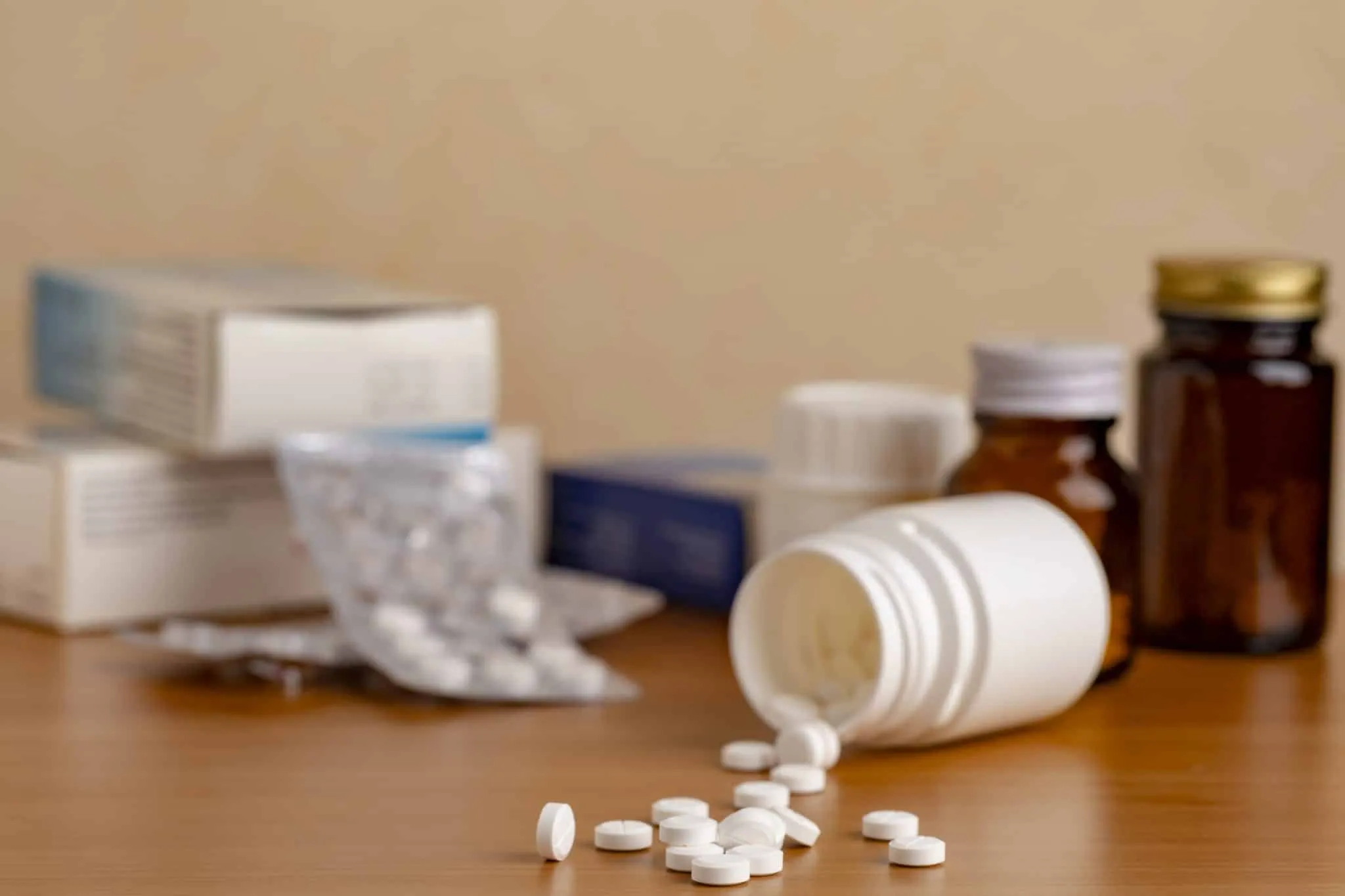
Misuse of prescription opioids and illicit substances has driven a national public health crisis, with overdose being a leading cause of preventable death (National Institute on Drug Abuse [NIDA], 2025).
Cocaine and methamphetamine misuse are on the rise, often associated with cardiovascular problems, psychosis, and high relapse rates.
Both categories are linked to co-occurring mental health issues such as depression, anxiety, and trauma, which can complicate recovery if not addressed holistically.
While each drug has unique effects, common indicators of opioid or stimulant use disorder include:
A diagnosis is made when two or more of these symptoms persist over a 12-month period, with severity ranging from mild to severe (American Psychiatric Association, 2013).


We believe recovery requires evidence-based, compassionate, and individualized care. At PCI Centers, we offer:
Careful evaluation of medical, psychological, and social factors to design a personalized treatment plan.
Use of Cognitive Behavioral Therapy (CBT), Motivational Interviewing (MI), and trauma-informed care to address the root causes of substance use and develop healthier coping strategies.
For opioid use disorder, medications such as buprenorphine or naltrexone may be recommended in coordination with prescribing providers, helping reduce cravings and stabilize recovery.
Skills training, mindfulness, and structured lifestyle supports designed to maintain long-term sobriety.
Outpatient therapy, Intensive Outpatient Programs (IOP), and telehealth ensure accessibility and continuity of care.
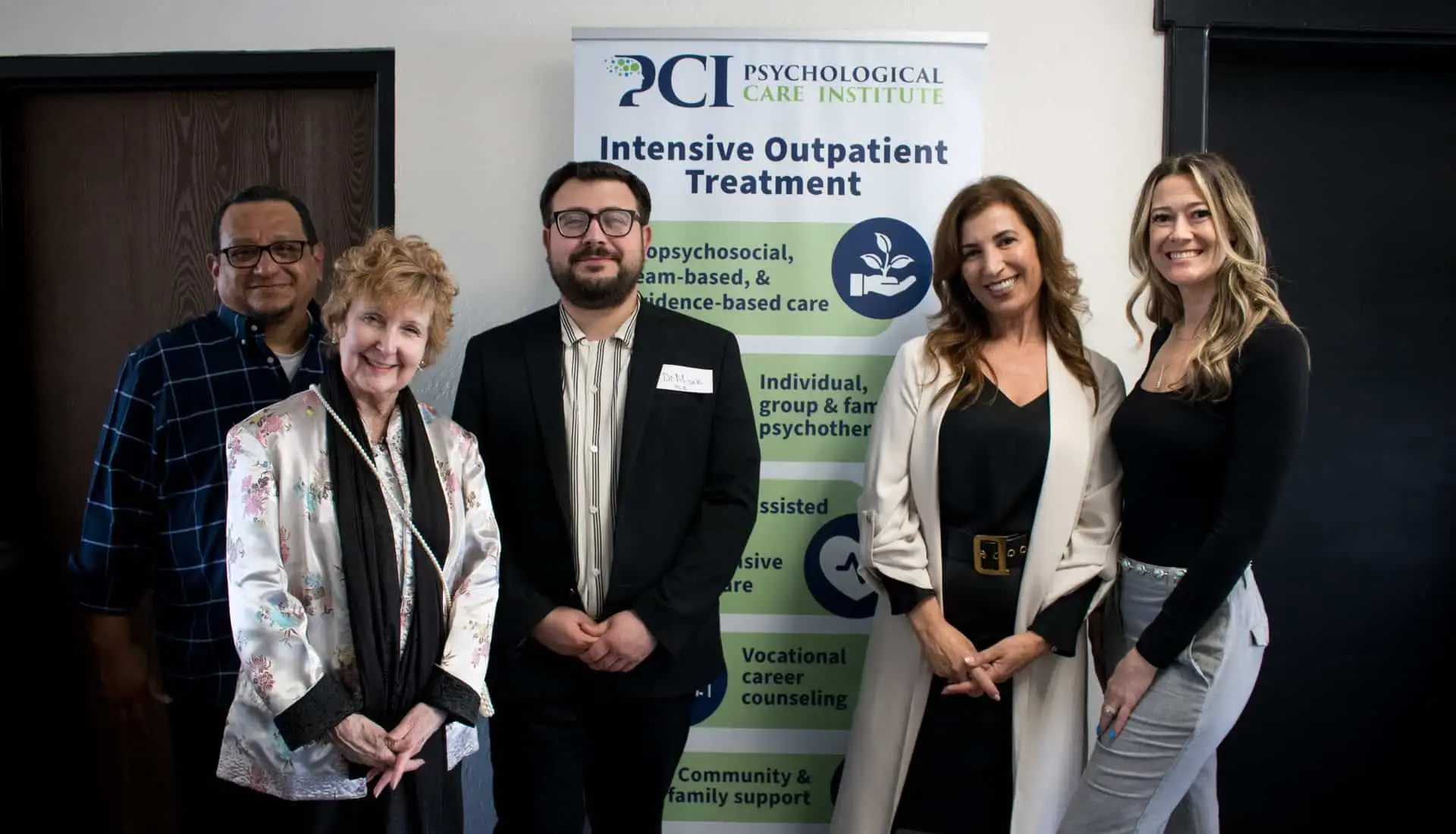
If opioid or stimulant use is affecting you or someone you love, know that recovery is possible. At PCI Centers, we provide comprehensive, clinically informed treatment to help individuals regain stability, rebuild relationships, and reclaim their lives in Thousand Oaks and Westlake Village.
Related Blog Post: The dangers of prescription painkillers and the Understanding the Opioid epidemic
1.American Psychiatric Association. (2013). Diagnostic and statistical manual of mental disorders (5th ed.). Arlington, VA: American Psychiatric Publishing.
2. National Institute on Drug Abuse. (2025). Opioid and Stimulant Use Disorders. Retrieved from https://nida.nih.gov/
Call us for the full list and to verify your coverage.


Subscribe to our Newsletter, we won’t spam, Promise!
Read our Privacy Policy before signing up.

PCI has developed treatments that genuinely help you during your most difficult times. PCI Centers understands that every patient is unique and requires different modalities to live a healthier life.
© 2026 PCI Westlake Centers. All Rights Reserved.
